Peer-reviewed studies have examined the effects of different modes of negative pressure wound therapy (NPWT), including:
Continuous Pressure: Provides a steady vacuum over the wound.
Intermittent Pressure: Alternates between suction and release at regular intervals.
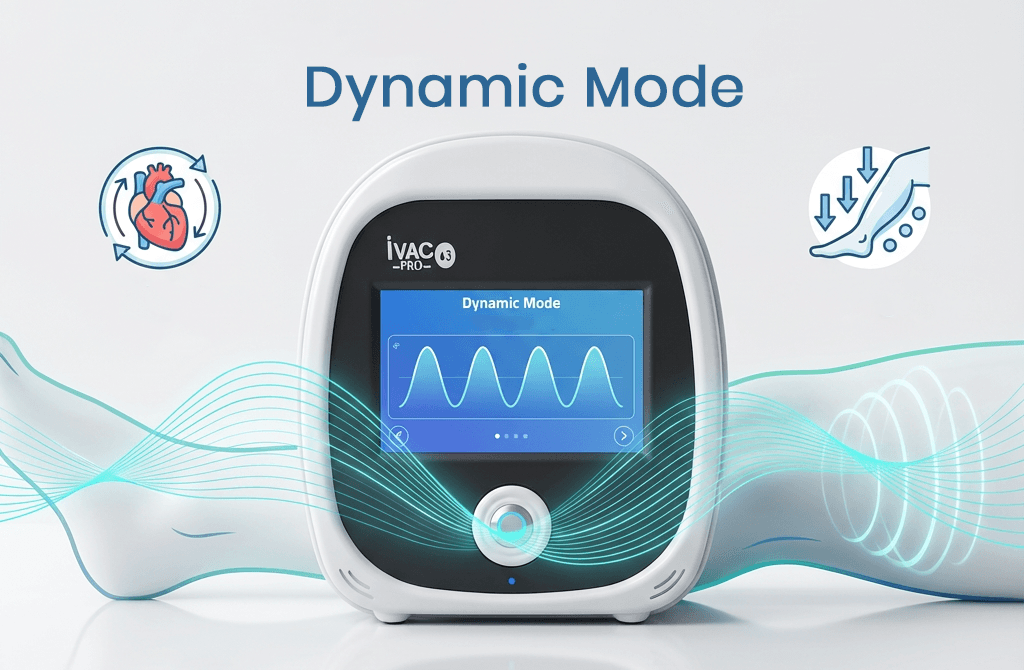
Dynamic / Variable Pressure: Gradually changes the pressure within the wound in a controlled manner.
Research conducted by Gustafsson and colleagues at Lund University indicates that the dynamic (variable) mode offers several potential advantages over continuous or intermittent modes, including:
Enhanced wound contraction
Improved granulation tissue formation
Reduced risk of tissue ingrowth into the foam dressing
Potentially more effective fluid removal
These findings are based on published scientific literature and are intended to provide evidence-based insights. They do not replace professional medical evaluation or individualized clinical decision-making.
Reference:
Gustafsson L. et al. Effects of Variable, Intermittent, and Continuous Negative Pressure Wound Therapy on Wound Contraction and Tissue Ingrowth. Lund University.
Technology
Why Dynamic NPWT May Offer Clinical Advantages
•April 10, 2025•1 min read
Latest Blogs
Read Our Next Article
News1 min read
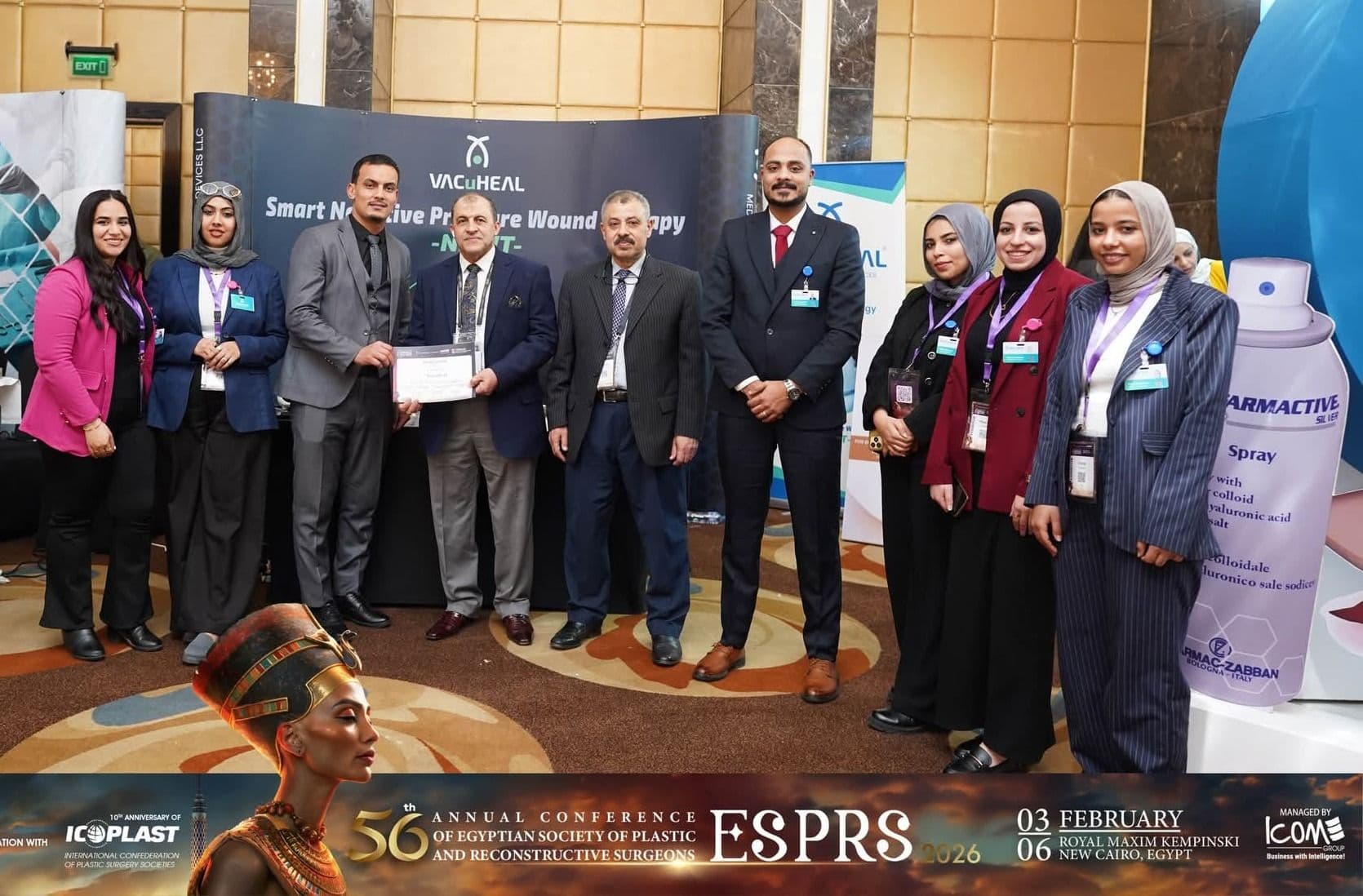
VACuHEAL at ESPRS Conference 2026
VACuHEAL participation as a Sponsored Partner at the ESPRS Conference 2026, marking a significant milestone in its journey as a trusted provider of advanced wound care solutions.
Feb 6, 2026Read Article
News1 min read
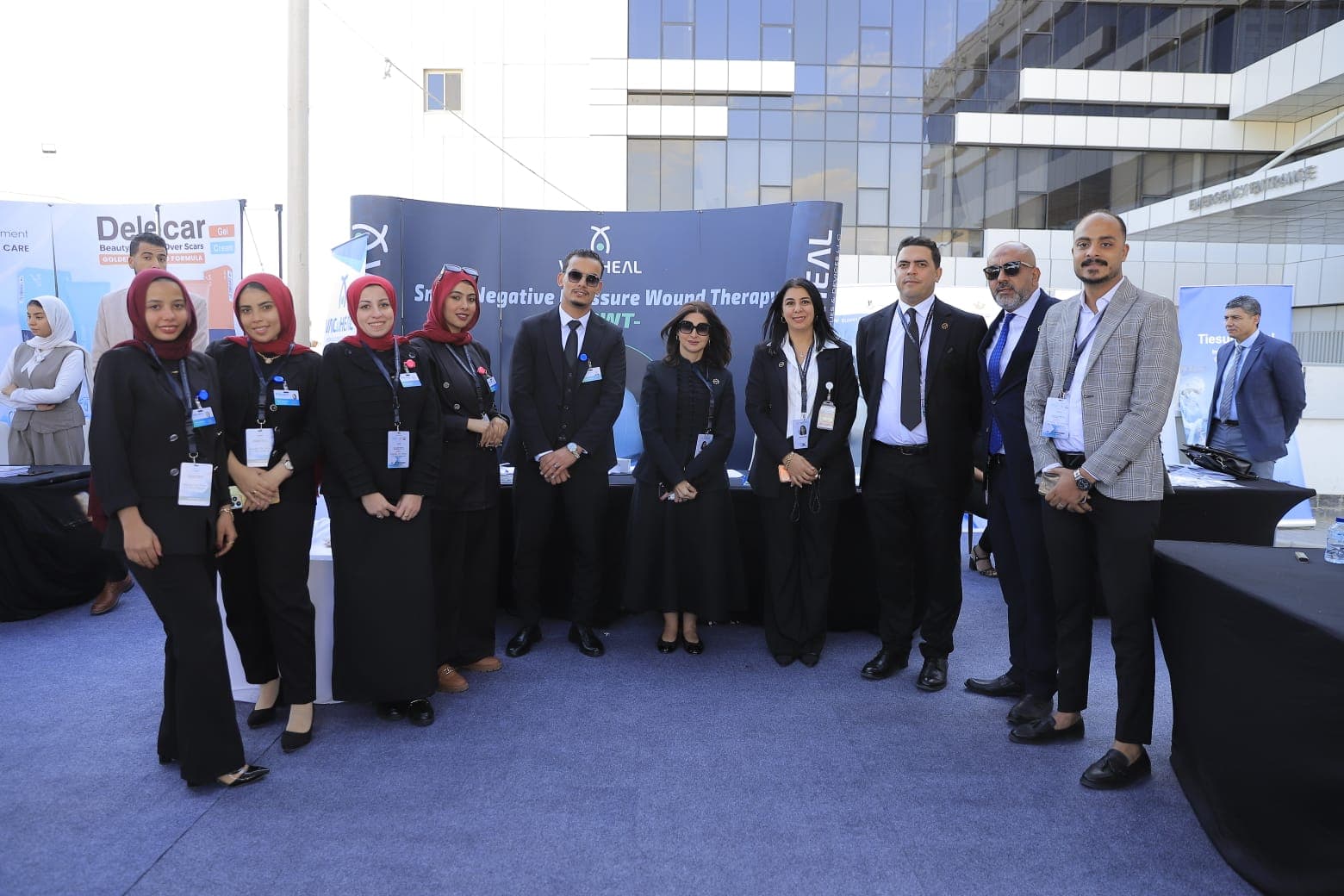
VACuHEAL at Ahl Masr Burn Hospital Conference 2025
VACuHEAL participated as a Sponsored Partner at the Ahl Masr Burn Hospital Conference 2025, marking a milestone in its commitment to advancing burn management and wound care solutions.
Nov 27, 2025Read Article